

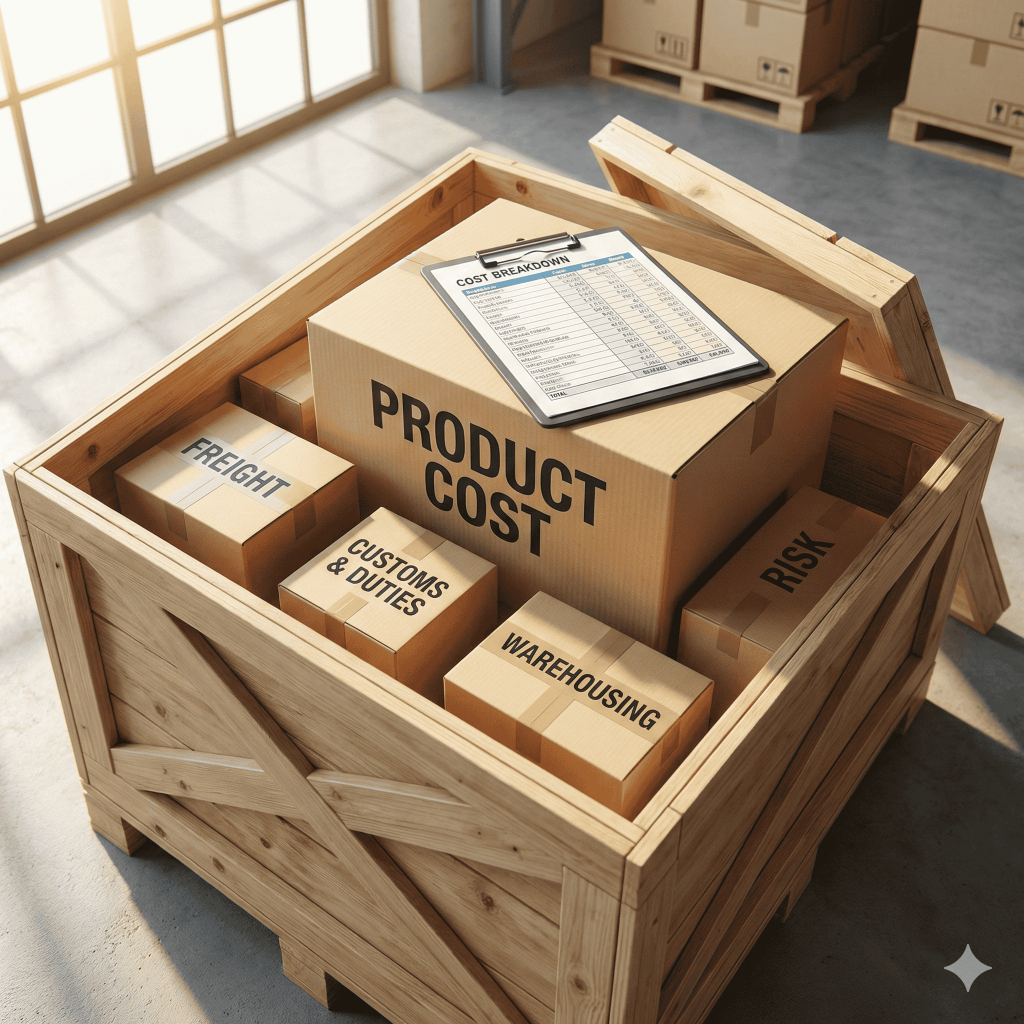
The Quarter-Dollar Leak: The Math of Scale
Let’s do some quick “back-of-the-napkin” math. Suppose you are moving a decent volume—say, 40,000 units a year. You have a small “slip” in your landed cost calculation of just $0.25 per unit.
- Per unit: It’s almost invisible.
- Per year: It’s $10,000 in straight profit evaporated.
That is not “the cost of doing business.” That is a luxury vacation or a new marketing hire that you just handed over to inefficiency.
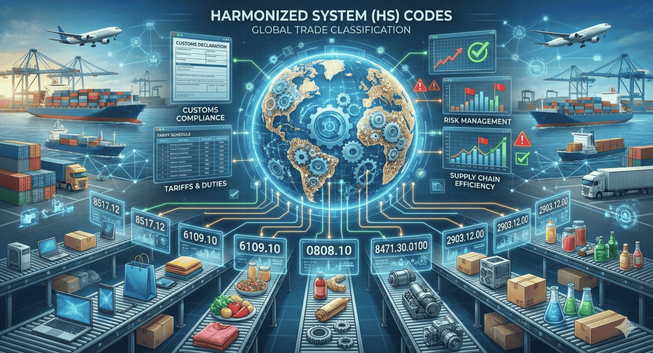
The HS Code Gamble: “Plastic isn’t just Plastic”
A common mistake is leaving your HS (Harmonized System) codes to chance or letting a customs agent “best guess” them. In 2026, customs authorities are more precise than ever.
If you classify your goods under a generic “Toys” or “Plastic” category, you might be paying a 6% duty rate when a more specific classification could have been 0%. Or worse: you underpay, and a year later, you get hit with a retroactive bill and a fine that turns a profitable year into a deficit. RIPPLES lets you define these codes so you can see the actual impact of tariffs on your margin.
WACC: The Invisible “Interest Rate” on Your Shelves
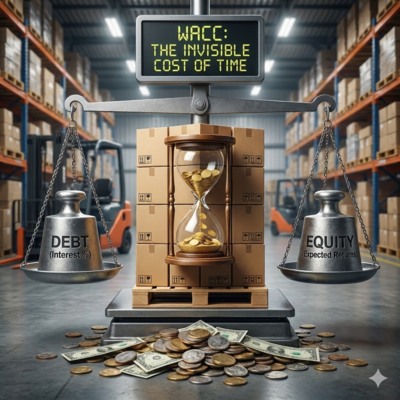
Most SMB owners view capital binding as an abstract accounting concept. They see WACC (Weighted Average Cost of Capital) as “unrelated” to the day-to-day.
But consider the lead time. If your goods are in transit for 45 days, and your capital is tied up in that inventory, you are essentially paying interest on those items before they even hit your warehouse. If you aren’t factoring in that financing cost (along with warehouse insurance and risk), you aren’t seeing your True Margin.
Stop Guessing. Start Mastering.
In a high-volume environment, the difference between a successful enterprise and a struggling shop is Clarity. You need to know your costs down to the cent, including the “invisible ripples” of financing and classification.
RIPPLES v1.0 was built to turn these invisible costs into visible strategic advantages. Don’t let your profits slip away a quarter at a time.